Bizarre wedding traditions: The Eurovision edition
Wedding traditions are dramatically different around the world. From the type of cake served to the attire of the bride, you'll be amazed at what happens on wedding days around the continent.
To celebrate Eurovision 2023 taking place in the vibrant city of Liverpool from 9th May 2023, engagement and wedding ring experts at Steven Stone have rounded up some of the most bizarre traditions from participating countries – including the Big 5.
The 'Big Five' are the group of countries who make the biggest financial contributions to the European Broadcasting Union (EBU). In 2000, a rule was created to allow those countries direct entry into the final of the Eurovision Song Contest regardless of their placing in the previous year's contest, fear of relegation, or having to go through a semi-final round. With the return of Italy to the contest in 2011, the Big Four became known as the Big Five. All five of thee nations have won the contest at least twice, with France being the only member of the Big Five to have never scored nul points.
France Pastries are served instead of cake: France is famous for its incredible pastries, so instead of a fruit-filled wedding cake being the star dessert, at most French weddings, you'll be served a Croquembouche – a beautiful dessert made up of small pastry balls stacked on top of one another.
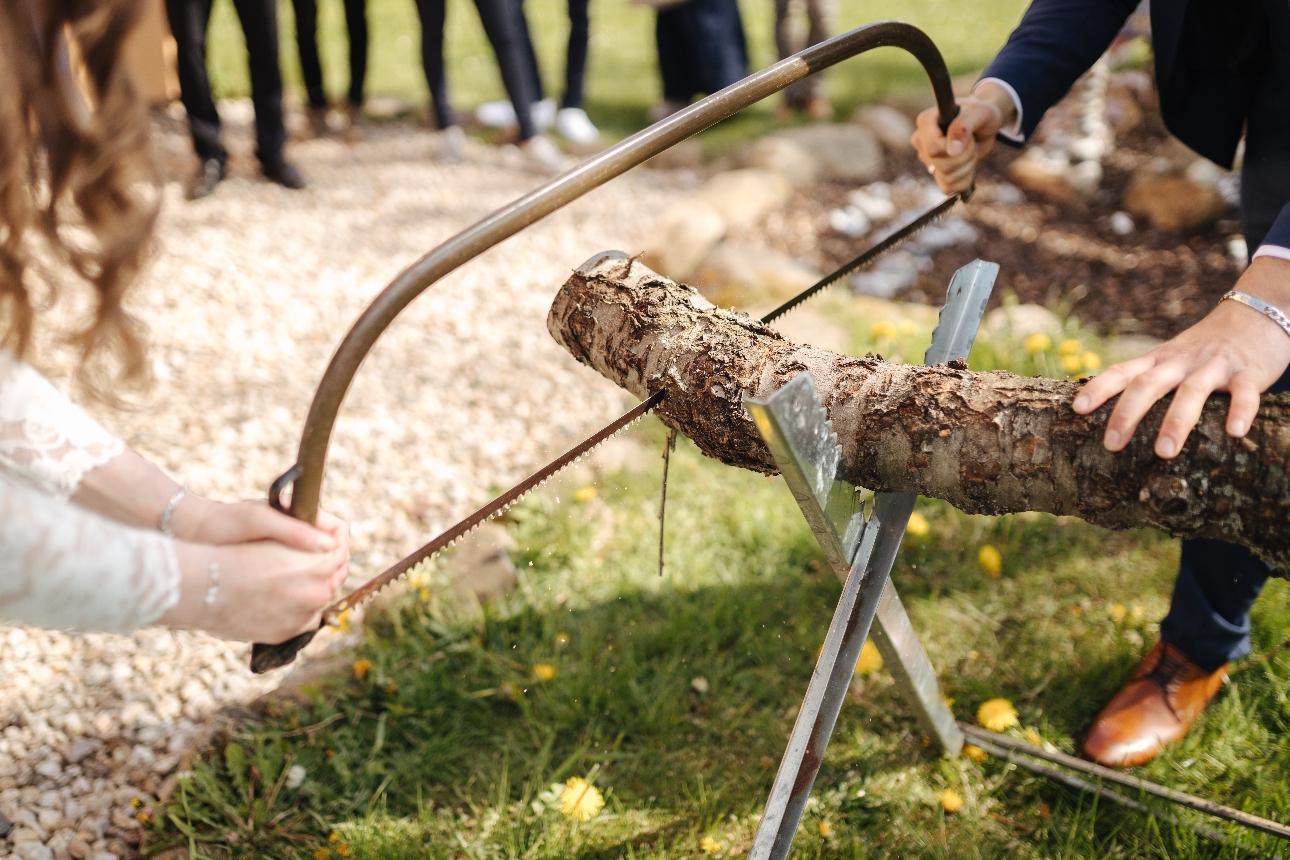
Germany The bride and groom use chainsaws: While still wearing their wedding attire, German newlyweds are sometimes known to saw a log into two pieces during the ceremony. This tradition is known as Baumstamm Sägen. As it's a two person saw, Baumstamm Sägen symbolises the couples strength as they face challenges in their marriage.
Spain The bride wears black: While it may seem a little strange, traditionally, a Spanish bride would wear a black lace gown and veil called a mantilla draped over her head and shoulders. The attire was designed to symbolise the devotion she has to her husband and addresses the 'till death do us part' vow. As for the veil, it was once thought that a bride who looked too beautiful would attract evil spirits, which is where the veil derived from.
United Kingdom Old, new, borrowed, and blue: In the UK, this fun tradition is based on an old rhyme by an unknown English poet: "Something old, something new, something borrowed, something blue, and a silver sixpence in her shoe." On the day of the wedding, the bride must wear something old to represent the past, something new for the future, a borrowed item to symbolise the happiness given to the bride by the new husband, and finally something blue to ward off evil spirits. Nowadays, the final line about the sixpence is often practiced, however it historically referred to wealth.
Italy Nuts are given to newlyweds: Many of us think of confetti as colourful bits of paper that get thrown at the newlyweds, however, in Italian "confetti" actually refers to sugared almonds that wedding guests receive as favours at the reception. These used to be thrown at the bride and groom, but have been replaced by coriandoli, the tiny scraps of paper.
Why more Yorkshire couples are heading south for luxury weekends in the Peak District
Hope Valley hotel says more guests from across Yorkshire are choosing the Peak District over longer countryside breaks as shorter escapes grow in popularity. Around 20 million people live within an hour's drive of the Peak District, making it one of Britain's most accessible national parks. Yet for many people across Yorkshire, planning a luxury countryside break has traditionally meant heading north to the Yorkshire Dales, the North York Moors or even further afield. Now, one Peak District hotel believes more people are beginning to look in the opposite direction. Losehill House, an independently owned boutique hotel nestled in its own secluded valley near Hope, says it is welcoming growing numbers of guests from across Yorkshire who are choosing shorter countryside breaks.
READ ARTICLE
Find the most cost effective hen do in Hull
A new study by hen party supplier Smiffys has revealed the cheapest UK cities to host a hen do, with Yorkshire's Kingston upon Hull crowned the most affordable destination. Scoring the 50 largest UK cities based on six affordability factors, the city achieved 92.06 out of 100 thanks to its budget-friendly nightlife and low-cost drinks. Nearby Yorkshire locations also performed strongly, with Wakefield and Sheffield securing places in the top 10. With hen do searches peaking between April and June, the findings highlight the best-value UK destinations for brides-to-be planning a memorable celebration without overspending.
READ ARTICLE
The British Wedding Tradition Most Guests Never Question
Most wedding guests have heard the phrase "wedding breakfast", but very few stop to question it. After all, the meal is rarely served in the morning. It usually comes after the ceremony, often in the afternoon, and can involve anything from a formal three-course dinner to sharing boards, canapes, grazing tables and dessert stations. So why do we still call it a breakfast? According to Nick from Country House Weddings, the answer goes back centuries and is tied to religion, fasting and the way weddings were once celebrated in Britain. Breaking A Very Specific Fast The word "breakfast" does not originally mean a morning meal. It simply means breaking a fast.
READ ARTICLE
Yankee Candle - quick on sale now!
If you're looking for thoughtful gifts for your bridal party or stylish wedding favours, now is the perfect time to shop. A selection of Yankee Candle fragrances is currently available at 30% off on Amazon until 10 July. The discounted range includes romantic favourites such as Wedding Day, alongside fresh summer scents including Cherry Blossom, Sage & Citrus, Tangerine & Vanilla, Red Raspberry, Fluffy Towels and Lavender Vanilla. Those planning autumn or winter weddings can also stock up on seasonal fragrances including Warm Cashmere, Autumn Wreath, Christmas Cookie, Snow in Love and Mistletoe.